
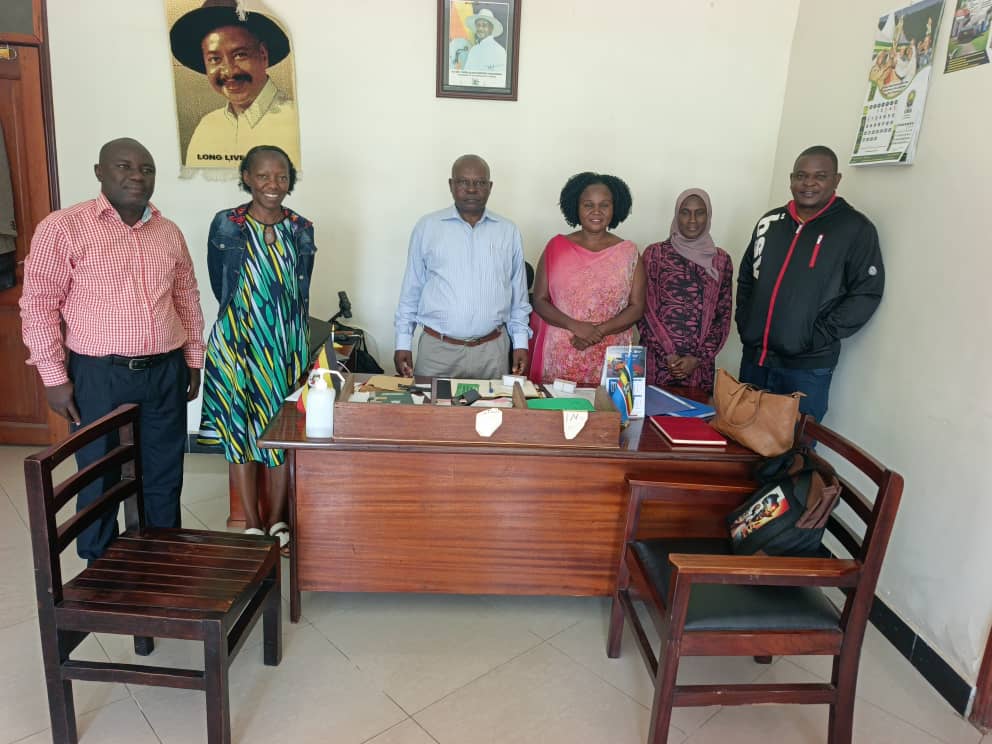
Fire Women Association based in Bukavu-DRC, strives to reconstruct women and children survivors of rape to date. This group of about 100 members convenes the Pentecostals, Protestants, Catholics, Muslims and Seventh Day Adventists; and offers some modest reconstruction services such as counseling, linking women and children to health centers and encouraging educational programs to empower women with skills which will potentially enable them to earn an income. Their programs are also intended to the survivors a sense of belonging and connection and re-integration into a community from which they had been robbed. Of course coming back into community, the women don’t come the same; they are ‘heavy laden’ with children born out of captivity as well as pregnancies for which they can barley tell the persons responsible. This however does not stop Fire Women Association to lend a healing hand for the broken hearted. What remains complex to work in this country of persistent civil turmoil is that women are always targeted post war victims even for having assumed ‘male roles’, having adopted ‘urban/educated life styles’ or otherwise. This state of affairs has denied the civic population the luxury of movement or association lest they become victims of sexual abuse as they get on about with their gender chores of collecting water, food and other necessities. Fire Women Association is being brave enough to face the prevailing situation and restore hope to its members.
Misercorde Association CC operates in Minembwe, in the high plateau of South Kivu, Democratic Republic of Congo (DRC). The CC convenes about 50 members of the Muslim and Christian faiths to intervene on the effects of war in the DRC. The war has left many orphans and widows in dire need of support. Misercorde CC’s primary focus is to provide services to war victims, primarily orphans and widows by helping them reconstruct, reconcile, forgive, and learn to live in peace. Misercorde also collects funds from members to send orphans back to school, and provides education for widows to work collaboratively and support each other by building skills in tailoring. The CC is also committed to environmental protection by raising awareness and action in environmental efforts. As a CC working in a nation stricken by war, MISERCORDE strives to create an interfaith effort among people of different religions to connect on common social problems in order to spur peaceful co-existence and development in the area.
GLPF is based in Uvira a province of the Democratic Republic of Congo and it lives its founding purpose by educating communities on peace which is informed by the conviction that the ultimate goal of peace makers is the elimination of the infection of war as a method of resolving conflcits.In their quest for peace, GLPF mobilizes women, men and youth and the greater communities which hail from diverse religius and ehtnnic backgroud on Forgiviness and reconciliation over past conflict atrocieteis. Thier programs help widows and orphans to transition back to nomal community life through offering special voational training and entreprenuarial skilling for self sustenance. GLPF is currently working towards the establishment of a Revitialization centre to support families with basic safe shelter, food, medical care and education among others during their transformation into community life.
CACOPA is based in Goma, a province of the Democratic Republic of Congo with a mission to foster the culture of Peace within communities in the Great lakes Region, particularly in the Democratic Republic of Congo. Our programs are informed by what is considered as the world’s most intense and bloody violence and protracted conflict of the last half century within the Great Lakes Region. Due to its direct and underlying consequences on humans, the economy and nature, some researchers and analysts have suggested it to be the world’s bloodiest war since World War II. Over many years, the region has experienced internal conflict worsen by internal and external illegal armed groups and often cross-border conflict in the DRC, genocide in Rwanda, civil war and election turmoil in Burundi. Significant crosscutting themes that have dominated the conflicts in the region include the illegal exploitation and trafficking of natural resources, proliferation of small arms and light weapons, illegal armed groups, sexual/gender-based violence and forced population displacement. Despite various efforts at resolution, the conflicts persist with profound effects on the human security of communities and the stability of the region. The regional dimensions of conflict in the Great Lakes and the emerging dynamics call for a continued collaborative analysis by regional stakeholders in order to inform the implementation of strategies towards sustainable peace in the region.
Our strongest strategy is the initiation of peace clubs in within Universities, Secondary and Primary schools within the conflict ravaged countries of DRC, Burundi and Rwanda, specifically targeting youth in these institutions who are at the greatest risk of radicalization and conflict infiltration. Our works have so far targeted youths in five universities namely: Two universities from the DRC [the Free University for Great Lakes Countries (ULPGL) from Goma, The African Evangelical University (UEA) from Bukavu]; and two universities from Burundi: Hope Africa University (HAU) and University of Lake Tanganyika (ULT) and the Protestant Institute for Arts and Social Science (PIASS) from Rwanda.
For creation of a greater mileage in our conflict transformation programs, we are currently changing the core strategy to target youth out of school since these are at more risk given their limited critical mindset which may not enable them to question the motives of their recruiters.